Snoring and Obstructive Sleep Apnoea Explained: All You Need to Know
Learn about chronic sinusitis symptoms, diagnosis methods, and treatment options from causes to surgical interventions for lasting sinus relief.

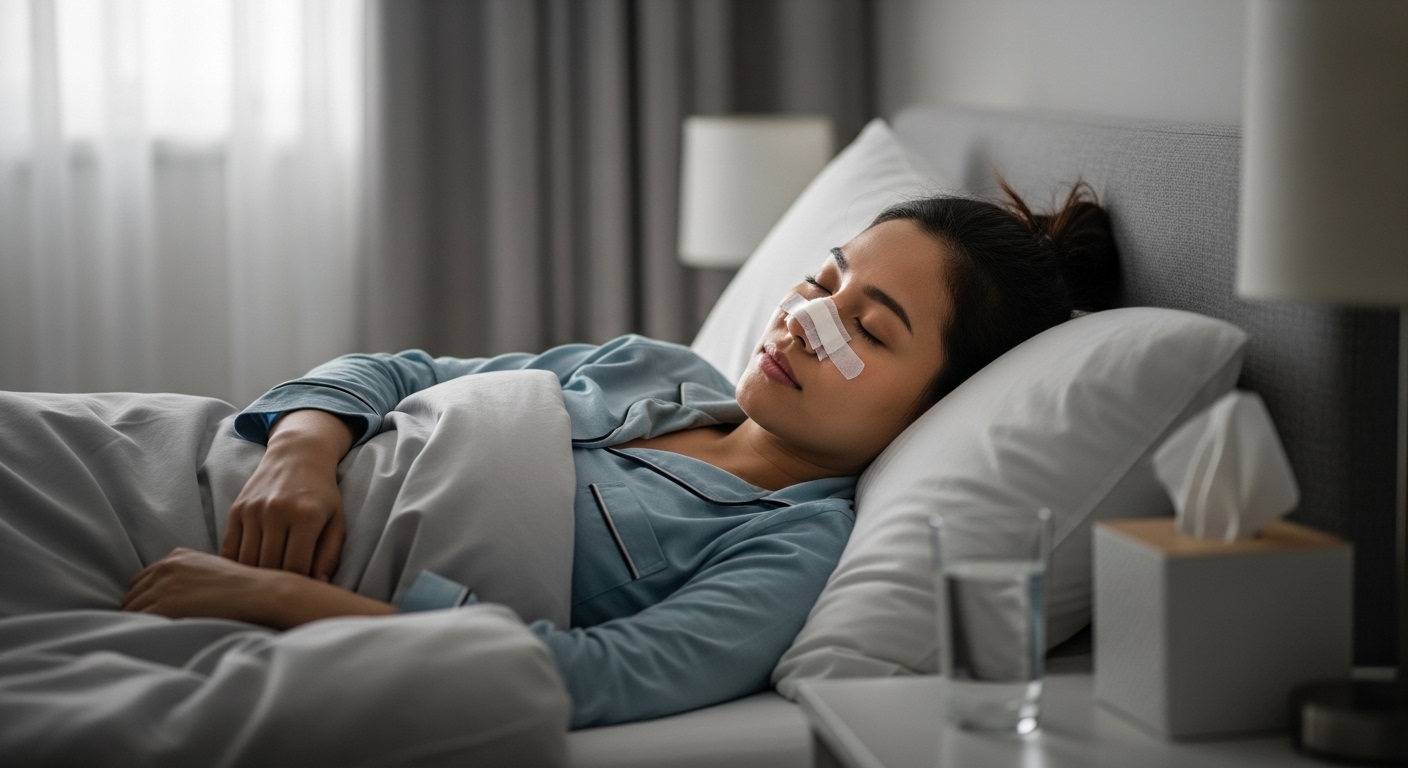
Why do some patients experience immediate breathing relief after septoplasty while others wait months for improvement? Recovery follows a predictable timeline, with most patients returning to work within 7 to 10 days and experiencing complete healing at 3 to 6 months. The first 48 hours involve managing nasal packing or splints, controlling minor bleeding with ice packs, and taking prescribed pain medication every 4 to 6 hours as needed. Your nose will initially feel congested, similar to having a severe cold, as internal swelling peaks around day 3 before gradually subsiding. Sleep elevation at 30-45 degrees reduces facial swelling and promotes drainage through the natural sinus pathways. Breathing improvement becomes noticeable around week 2-3, though complete resolution of nasal obstruction occurs gradually as tissues remodel.
The surgery corrects a deviated septum by repositioning the cartilage and bone that divide your nasal passages. Surgeons make incisions inside the nose, lift the mucous membrane, reshape the septum, and then reposition the membrane. This internal approach leaves no visible scarring. Recovery outcomes depend on following post-operative instructions, particularly regarding nasal care, activity restrictions, and recognizing signs that require medical attention.
Your surgeon places either dissolvable packing or silicone splints inside your nose immediately after surgery. Dissolvable packing liquefies over 24-72 hours and drains naturally, while splints remain for 5-7 days until surgical removal. Both cause complete nasal obstruction, forcing the individual to breathe through the mouth. Keep your lips moisturized with petroleum jelly and use a humidifier to prevent dryness in your throat.
Blood-tinged drainage mixed with mucus is normal for the first 48 hours after surgery. Change the drip pad (gauze taped under your nose) every 2-3 hours initially, then less frequently as drainage decreases. Fresh bleeding that soaks through gauze within 10 minutes requires immediate medical attention. Apply ice packs to your cheeks and forehead for 20 minutes every hour while awake during the first two days; this helps reduce swelling.
Pain typically peaks 6-8 hours post-surgery as anesthesia wears off. Take prescribed pain medication on schedule rather than waiting for pain to intensify. Patients commonly require prescription painkillers for 2-3 days, then transition to paracetamol. Facial pressure and headaches often result from sinus congestion and can be alleviated with prescribed decongestants taken every 12 hours.
💡 Did You Know?
The septum contains a rich blood supply from five different arterial sources, which explains why minor bleeding continues for several days post-surgery despite cauterization during the procedure.
Days 4-7 mark improvement in comfort levels. Swelling decreases noticeably each morning, although you may appear more swollen in the evening due to fluid accumulation throughout the day. External bruising, if present, transitions from purple to yellow-green before fading completely by day 10-14.
Splint removal typically occurs at your first follow-up appointment, which is usually on day 5-7. The removal process takes 30 seconds per splint and causes brief discomfort rather than pain. Immediate breathing improvement follows, though congestion returns within hours as tissues swell in response to splint removal. This secondary swelling resolves over 3-5 days.
Begin saline rinses after splint removal or when the dissolvable packing has cleared. Mix 1/4 teaspoon of non-iodized salt with 8 ounces of distilled water. Use a squeeze bottle or neti pot to irrigate each nostril 3-4 times daily. The rinse removes crusts, dried blood, and mucus while keeping tissues moist. Proper irrigation technique involves leaning forward over a sink, tilting your head sideways, and allowing the solution to flow through one nostril and out the other.
Activity restrictions during week one include:
Nasal crusting peaks during weeks 2-3 as healing tissues shed dead cells. Crusts form along incision lines and feel like dried concrete blocking airflow. Continue saline rinses 4-6 times daily, allowing crusts to soften before gently removing visible pieces with cotton swabs. Never pick at adherent crusts; forced removal can cause bleeding and delay healing.
Return to work depends on job demands. Desk jobs typically permit a return in 7-10 days, while physical labor requires 2-3 weeks. Avoid dusty or smoky environments for one month as particles irritate healing tissues and trigger excessive mucus production. Wear a dust mask if exposure is unavoidable.
Exercise resumes gradually:
Monitor your heart rate during exercise; staying below 140 beats per minute helps prevent blood pressure spikes that could trigger nosebleeds. Stop immediately if you feel facial pressure or experience bleeding.
⚠️ Important Note
Cocaine use after septoplasty causes severe vasoconstriction that leads to septal perforation and complete cartilage death. This includes any intranasal drug use during the entire healing period.
Nasal Congestion
Congestion fluctuates throughout recovery, often worse in the morning due to overnight mucus accumulation. Steam inhalation for 5-10 minutes before saline rinses loosens thick secretions. Place your face over a bowl of hot water, creating a tent with a towel, and breathe slowly through your nose when possible. Prescription nasal steroid sprays, started at week 2, reduce inflammation without affecting healing.
Sleep Disruption
Mouth breathing disrupts sleep cycles and causes frequent awakening. Use a wedge pillow or stack multiple pillows to maintain an elevation of 30-45 degrees. Apply nasal breathing strips to external nose bridges – these don’t affect internal healing but improve airflow. Room humidifiers set to 40-50% humidity prevent membrane drying. Some patients benefit from temporary sleep medication during the first two weeks of treatment.
Smell and Taste Changes
A temporary reduction in smell (hyposmia) typically affects patients for 2-4 weeks. Swollen tissues block odor molecules from reaching olfactory receptors high in the nasal cavity. Taste relies heavily on smell, so food seems bland during this period. Enhance meals with varied textures and temperatures rather than adding excess salt or sugar. Full sensation returns gradually as swelling resolves.
Sinus Pressure
Blocked sinus drainage causes facial fullness and pressure headaches. Warm compresses applied to cheeks and forehead for 10 minutes provide relief. Gentle facial massage, performed in circular motions, helps to mobilize trapped mucus. Avoid aggressive sinus manipulation that could disrupt healing tissues.
Months 2-3 bring subtle improvements in breathing as internal scar tissue softens. The septum continues remodeling, with cartilage assuming its final position. Minor asymmetry in airflow between nostrils is normal; perfect symmetry rarely exists, even in unoperated noses. Seasonal allergies may initially feel more intense as improved airflow increases allergen exposure to the nasal membranes.
Complete healing typically occurs between 3 and 6 months, when all swelling has resolved and the tissues have reached their final form. Some patients notice continued improvement up to one year post-surgery as scar tissue matures. The mucous membrane fully regenerates its protective function, including normal mucus production and ciliary action that clears particles.
Follow-up appointments typically occur at:
“Patients often expect immediate breathing improvement after septoplasty, but recovery is gradual. The nose undergoes trauma during surgery, even with minimally invasive techniques. I tell patients to judge their results at three months, not three weeks. Those who follow post-operative instructions carefully, particularly regarding saline rinses and activity restrictions, report smoother recoveries and better outcomes.”
When can I blow my nose normally after septoplasty?
Gentle nose blowing resumes at 2 weeks post-surgery. Start with light pressure, one nostril at a time. Full-force blowing is safe after 4 weeks when internal incisions have healed completely. Premature or aggressive blowing can cause a septal hematoma or displace healing cartilage.
Will my voice sound different during the recovery process?
Nasal congestion can cause temporary voice changes, similar to those experienced with a cold, including reduced resonance and nasal quality. Professional singers or speakers should wait 4-6 weeks before performing. Typical voice characteristics return once swelling resolves and nasal airflow normalizes.
Can I wear glasses after septoplasty?
Glasses rest on the nasal bridge immediately post-surgery since septoplasty doesn’t alter external structures. However, heavy frames may cause discomfort due to swelling. Consider using lightweight frames or contact lenses for the first two weeks if pressure causes pain.
How can I tell if my septum has shifted during the healing process?
New-onset breathing obstruction after initial improvement, visible external deviation, or whistling sounds during breathing suggest septal displacement. These symptoms require immediate ENT evaluation. Minor positioning adjustments can sometimes be made within the first two weeks before scar tissue forms.
When is it safe to fly after septoplasty?
Air travel is generally safe after two weeks, once acute swelling has subsided. Cabin pressure changes may cause temporary discomfort or minor bleeding. Use a saline spray before and during flights, avoid blowing your nose during altitude changes, and carry decongestants for emergency use.
Follow post-operative instructions precisely for optimal healing, particularly saline rinses and activity restrictions. Monitor recovery progress by documenting daily breathing improvements and attending all scheduled follow-up appointments. Assess results at three months rather than expecting immediate improvement after surgery.
If you are experiencing persistent nasal congestion, difficulty breathing through your nose, or recurring sinus infections, consult an ENT specialist at an ENT clinic in Singapore to evaluate whether septoplasty could improve your quality of life.

Learn about chronic sinusitis symptoms, diagnosis methods, and treatment options from causes to surgical interventions for lasting sinus relief.

Learn about radiofrequency turbinate reduction for nasal obstruction. Understand the procedure, recovery, and outcomes from ENT specialists.

Turbinate reduction surgery costs $3,000-$8,000 in Singapore. Learn about pricing factors, payment options, and what's included in surgical fees.

Comprehensive breakdown of sinus surgery costs in Singapore, including procedure types, hospital fees, and factors affecting pricing for different surgical options.

Learn about recovery after sinus surgery including healing timelines, post-operative care, pain management, and when to contact your ENT specialist.

Understand the key differences between septoplasty and rhinoplasty procedures, their purposes, recovery times, and which surgery addresses your specific nasal concerns.

Learn about maxillary sinusitis symptoms, causes, and treatment options. Understand diagnosis methods and when to see an ENT specialist in Singapore.

Septoplasty costs in Singapore range from $8,000-$25,000. Learn about pricing factors, subsidies, and payment options for deviated septum surgery.

Learn how to perform a deviated septum self-test at home, identify symptoms, and understand when to consult an ENT specialist in Singapore.

Learn about fungal sinusitis types, symptoms, diagnosis and treatment options. Understand when to see an ENT specialist for proper evaluation.

MBBS
MRCS (Edin)
mmed (orl)
FAMS
With over 15 years of experience, Dr Gan specialises in the comprehensive management of a broad range of conditions related to the ear, nose and throat (ENT), and head and neck.
Dr. Gan has contributed to the academic field as a Senior Clinical Lecturer at the Yong Loo Lin School of Medicine, National University of Singapore. He underwent his subspecialty training in Rhinology (Nose & Sinus conditions) and Endoscopic Skull Base Surgery at the renowned St Paul’s Sinus Center, part of the University of British Columbia in Vancouver, Canada. He is recognised for his extensive research work, with numerous contributions to reputable international ENT journals. Dr Gan is also highly sought after as a speaker and has shared his surgical knowledge as a surgical dissection teacher at various prominent ENT conferences and courses.

Got a Question? Fill up the form and we will get back to you shortly.