
Fraud Blocker

Functional Endoscopic Sinus Surgery (FESS) in Singapore

Functional Endoscopic Sinus Surgery (FESS) is a minimally invasive surgical procedure that treats a variety of sinus and nasal passage conditions.

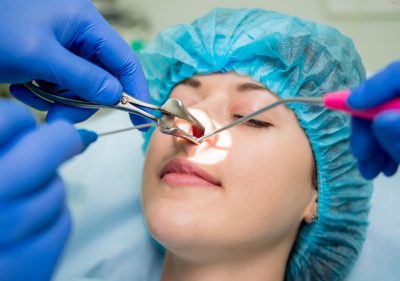
The procedure uses an endoscope (a thin rigid instrument equipped with a camera and light) to access and treat affected areas through the nostrils, avoiding external incisions. FESS focuses on improving sinus drainage and airflow by removing obstructions or diseased tissue, helping to restore normal sinus function.

doctor img
Dr Gan Eng Cern

MBBS

MRCS (Edin)

mmed (orl)

FAMS

Middle Ear Infection Treatment Singapore Middle Ear Infection Treatment Singapore
Inferior Turbinoplasty in Singapore Inferior Turbinoplasty in Singapore

Indications for FESS Surgery

Functional endoscopic sinus surgery in Singapore is often recommended for patients who have not responded to non-surgical treatments such as medications, nasal sprays, or repeated antibiotic courses. This minimally invasive procedure can effectively address a range of sinus-related conditions, including:

  • Chronic Rhinosinusitis: Persistent inflammation of the sinuses lasting over 12 weeks, often accompanied by repeated infections and nasal congestion.
  • Recurrent Sinusitis: Four or more episodes of acute sinusitis requiring oral antibiotics over the last 12 months.
  • Persistent Sinusitis: Acute sinusitis that has failed medical treatments (including 2-3 courses of oral antibiotics that are culture-directed).
  • Complications of sinusitis: Although rare, acute sinusitis can sometimes spread to nearby structures such as the eye and brain. The presence or absence of complications of sinusitis in the eye or brain can be confirmed with a CT scan of the sinuses.
  • Nasal Polyps: Non-cancerous, inflammatory growths that form inside the nose or sinuses, leading to blocked nasal airflow, reduced or loss of sense of smell and difficulty breathing.
  • Fungal Sinus Infections: Long-lasting infections in the sinuses caused by the fungi, which often do not respond to regular medications.
  • Tumours: Abnormal growths in the nasal cavity or sinuses, either benign or cancerous, that require removal through surgery.
 

Benefits of FESS Surgery

FESS offers several advantages over older treatment methods, focusing on minimising damage to healthy tissue while achieving effective results:

  • Minimal Tissue Disruption: The precision of the endoscope allows the surgeon to remove only the affected areas, preserving healthy tissue.
  • Quicker Recovery: Healing times are often shorter compared to traditional open surgeries, allowing patients to return to normal activities sooner.
  • No Visible Scars: The procedure is performed entirely through the nostrils, avoiding any external cuts or scars.
  • Restored Sinus Function: By removing blockages and improving drainage pathways, the sinuses can function more effectively, reducing symptoms and recurrence.

Extent of Sinus Surgery

FESS involves a variety of surgical techniques that are tailored to address specific sinus issues. The extent of your sinus surgery is predominantly determined by your clinical symptoms and findings on nasoendoscopy and CT scan of the paranasal sinuses. Each method is selected based on the patient’s condition and the areas requiring treatment.

Uncinectomy

A small piece of bone called the uncinate process is removed to allow better access to the maxillary sinus (sinuses around the cheek area). This is often the first step in many FESS procedures and helps the surgeon navigate the sinus area safely.

Middle Meatal Antrostomy

The natural opening of the maxillary sinus is widened to improve airflow and drainage. Diseased tissue and mucus are often cleared from the sinus cavity during this step.

Ethmoidectomy

Diseased air cells in the ethmoid sinuses (sinuses in between the eyes) are removed to create better drainage pathways. This technique is often performed alongside others and requires careful navigation to avoid nearby structures, such as the eyes and the base of the skull.

Frontal Sinusotomy

Frontal sinuses are a pair of air-filled cavities located above the eyes (around the eyebrow or forehead region). These sinuses may have a complex anatomy requiring meticulous surgical technique to prevent scarring and recurrent disease. Frontal sinusotomy is commonly performed with the use of an image guidance system (IGS), which allows the surgeon to determine the exact position of their surgical instrument during surgery. The use of IGS helps in ensuring complete removal of diseased sinus cells as well as preventing injuries to the eyes and brain.

Sphenoid Sinusotomy

The sphenoid sinuses are located behind the eyes and are a pair of very deeply located sinuses. A sphenoid sinus infection often causes headaches (at the back of the head) or a persistent post-nasal drip with thick or coloured phlegm. To access the sphenoid sinus, very often, the diseased maxillary and ethmoid sinuses need to be opened too. Many critical structures, such as important nerves and major blood vessels, are located near the sphenoid sinus. The sphenoid sinus is also the gateway to the central part of the brain. Hence, ENT surgeons will work with neurosurgeons to provide access to tumours located in the central part of the brain through the sphenoid sinus.

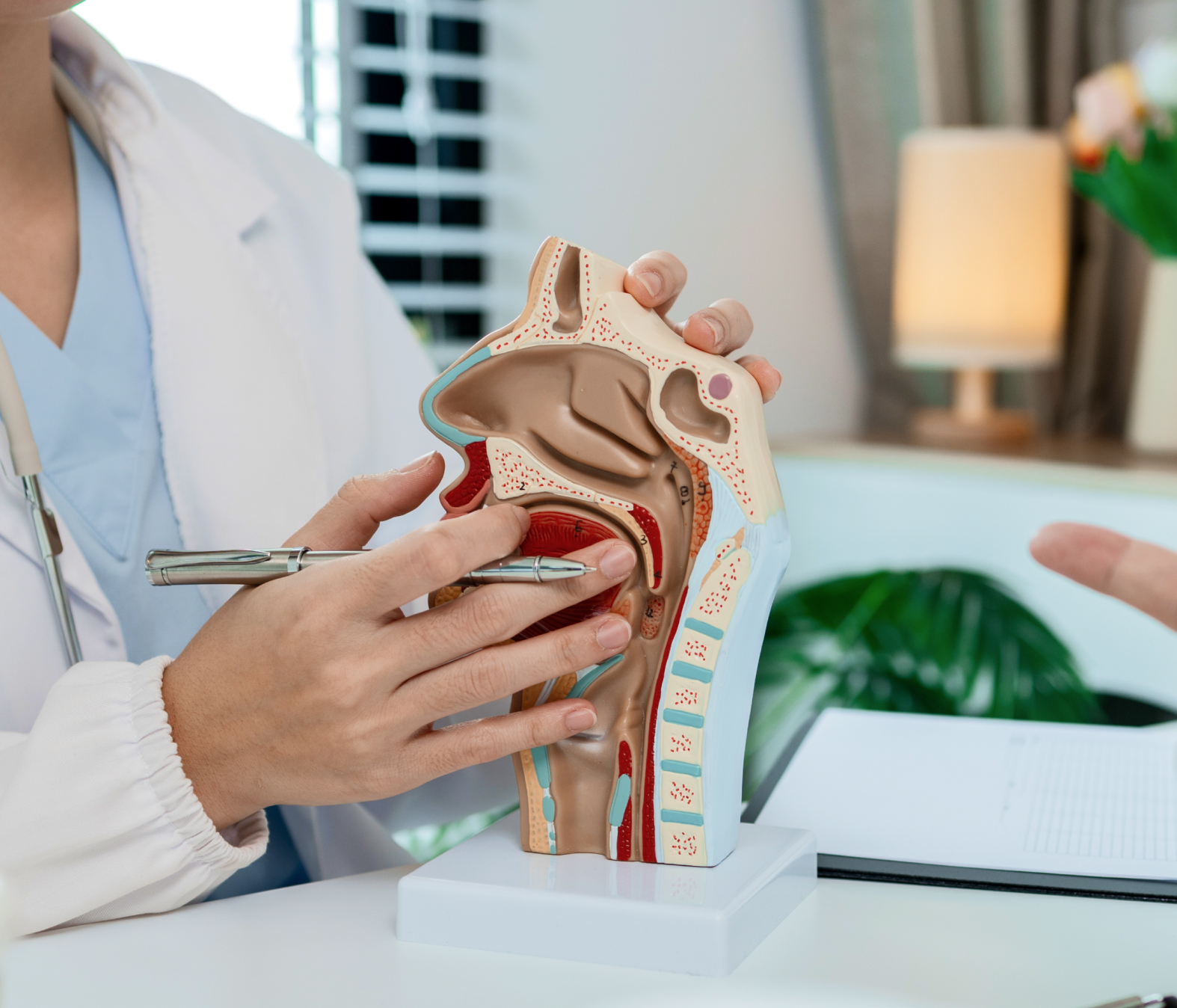
Dr. Gan explaining throat anatomy Dr. Gan explaining throat anatomy

Preparing for FESS Surgery

  • Medical Evaluation: A CT scan of the sinuses provides detailed images of the nasal and sinus structures, guiding the surgical plan. Blood tests check overall health and identify any issues with bleeding or clotting. The ENT surgeon reviews all medications and supplements you are taking before surgery.
  • Medication Adjustments: Blood-thinning medications need to be stopped 7-10 days before surgery to reduce the risk of bleeding. Certain herbal supplements are also discontinued two weeks before the procedure. Instructions are provided for managing regular medications.
  • Pre-operative Guidelines: Avoid all food and drink after midnight before surgery. Stop smoking for at least two weeks prior, as smoking reduces oxygen delivery to tissues, impairs healing, and increases the risk of complications.

Step-by-Step Procedure

Anesthesia Administration

General anaesthesia ensures the patient remains asleep during the surgery. Local anaesthesia and decongestant sprays are applied to the nasal passages to reduce swelling. For complex nasal or sinus procedures, an experienced ENT specialist Singapore patients trust can provide safe and effective care.

Endoscope Insertion

The endoscope is gently introduced through the nostril, providing a clear view of the sinuses on a high-definition screen. This allows the surgeon to navigate safely and focus on the affected areas.

Tissue Removal

Specialised instruments (microdebriders and cutting forceps) are used to remove inflamed tissues and bony partitions within the sinuses. The surgeon enlarges sinus openings as needed to restore natural drainage and airflow. Constant visualisation ensures precision throughout the process.

Final Inspection

The surgical area is checked for any remaining bleeding, tissue fragments, or other complications. Absorbable packing material may be placed to support healing. The endoscope is used for a final review before completing the procedure.

Post-Surgical Care and Recovery

  • Immediate Post-Operative Care: After surgery, patients are monitored for a few hours in a recovery area. Mild bleeding and nasal congestion are common during the first few days. Pain medications and antibiotics may be prescribed if needed. These steps are standard for patients undergoing procedures such as bilateral functional endoscopic sinus surgery.
  • Recovery Process: Saline rinses begin 24 hours after surgery to keep the nasal passages clean and promote healing. Physical activities should be avoided for 2-3 weeks to reduce the risk of complications. Sleeping with the head slightly elevated and using a humidifier can improve comfort.
  • Follow-up Care: The first follow-up visit is usually scheduled within one week of surgery. During this visit, the surgeon checks the healing process and removes any packing that has not dissolved. Additional ENT clinic appointments may be scheduled based on progress.

Are Your Symptoms Affecting Your Quality of Life?

Consult our MOH-accredited specialist for an accurate diagnosis & personalised treatment plan today.

Human head sinus structure

Potential Risks and Complications

FESS is generally safe but carries some risks, including bleeding, infection, and scar tissue formation in the nasal cavity. Rare complications may involve cerebrospinal fluid leakage, eye injury, or vision changes. Temporary effects, such as altered smell, nasal crusting, or numbness in the upper teeth or lip, can occur. In some cases, symptoms may persist or return, potentially requiring revision surgery. Individual risks are assessed and steps are taken to minimise complications.

For Singaporeans & Singapore Permanent Residents

Medisave & Insurance Shield Plan approved

Your ENT procedure may be eligible for Medisave claims, with the claimable amount varying based on the procedure’s complexity. For additional options, including the use of your insurance or Integrated Shield Plan, reach out to our friendly clinic staff today for assistance.

Frequently Asked Questions (FAQ)

How soon will I notice improvement in my symptoms?

Many patients experience noticeable relief in nasal airflow and reduced congestion within a few weeks after surgery. Improvements in sinus drainage and breathing continue as swelling subsides and healing progresses. While initial changes occur quickly, full recovery and symptom relief may take several months, depending on your condition and post-surgical care.

What should I avoid after surgery?

Avoid blowing your nose, strenuous activities, and exposure to dust, smoke, or other irritants for at least 2-3 weeks to support healing. Blowing your nose can disrupt recovery, and strenuous activities or irritants may increase bleeding or infection risks. Your surgeon will provide specific guidelines and any additional precautions.

Can FESS help with sleep apnoea?

FESS, or functional endoscopic sinus surgery, is not a direct treatment for sleep apnoea, but it can make a difference for some patients. By improving nasal airflow and clearing sinus blockages, FESS may help reduce breathing difficulties at night. For people whose sleep apnoea is made worse by chronic sinus problems, undergoing functional endoscopic sinus surgery in Singapore can complement other treatments such as CPAP therapy, weight management, or lifestyle adjustments. While it’s not a standalone cure, better sinus health can support more effective breathing and improve overall sleep quality.

ENT Specialist in Singapore | Dr Gan Eng Cern

Dr Gan Eng Cern

MBBS

MRCS (Edin)

mmed (orl)

FAMS

With over 15 years of experience, Dr Gan specialises in the comprehensive management of a broad range of conditions related to the ear, nose and throat (ENT), and head and neck.

Dr. Gan has contributed to the academic field as a Senior Clinical Lecturer at the Yong Loo Lin School of Medicine, National University of Singapore. He underwent his subspecialty training in Rhinology (Nose & Sinus conditions) and Endoscopic Skull Base Surgery at the renowned St Paul’s Sinus Center, part of the University of British Columbia in Vancouver, Canada. He is recognised for his extensive research work, with numerous contributions to reputable international ENT journals. Dr Gan is also highly sought after as a speaker and has shared his surgical knowledge as a surgical dissection teacher at various prominent ENT conferences and courses.

  • 2020 – Reader’s Choice Gold Award for Best ENT Specialist (Expat Living Singapore)
  • 2016 – Best Educator Award (Eastern Health Alliance)
  • 2016 – “Wow” Award (Patient Compliment)
  • 2014 – Eastern Health Alliance Caring Award – Silver
  • 2014 – 19th Yahya Cohen Memorial Lectureship (awarded by the College of Surgeons, Academy of Medicine Singapore for best scientific surgical paper)
  • 2012 – Human Manpower Development Award (Ministry of Health, Singapore)
  • 2007 – Singhealth Best Doctor Award

Qualifications

  • MBBS – Bachelor of Science, Bachelor of Medicine, Bachelor of Surgery (University of New South Wales, Sydney, Australia)
  • MRCS (Edin) – Member of the Royal College of Surgeons Edinburgh, United Kingdom
  • MMed (ORL) – Master of Medicine in ENT (National University of Singapore)
  • FAMS – Fellow of the Academy of Medicine Singapore
Singapore ENT specialist performing a procedure

Make an Enquiry

Fill up the form and our friendly clinic staff will get back to you promptly.

    Our Location

    A Specialist Clinic for Sinus, Snoring & ENT

    38 Irrawaddy Road #08-45
    Mount Elizabeth Novena Hospital
    Singapore 329563

    Mon – Fri: 9:00 am – 5:00 pm
    Sat: 8:30 am – 12:00 pm