Snoring and Obstructive Sleep Apnoea Explained: All You Need to Know
Learn about chronic sinusitis symptoms, diagnosis methods, and treatment options from causes to surgical interventions for lasting sinus relief.


Can you catch sinusitis from someone who’s coughing and sneezing around you? Sinusitis becomes contagious when viruses or bacteria cause the inflammation, but not when allergens or structural problems trigger it. The infection spreads through respiratory droplets when infected individuals cough, sneeze, or talk in proximity to others. Viral sinusitis remains contagious for approximately 7-10 days, while bacterial sinusitis typically stops being contagious 24-48 hours after starting antibiotics. The sinuses themselves – air-filled spaces behind the forehead, nose, cheekbones, and eyes – become inflamed and produce excess mucus during infection, creating the pressure and pain characteristic of sinusitis.
The contagious period begins before symptoms appear and continues through the active phase of the infection. Direct contact with contaminated surfaces poses another transmission route, as viruses survive on doorknobs, keyboards, and phones for several hours.
Viral sinusitis develops from the same viruses causing common colds – rhinoviruses, coronaviruses, and influenza viruses. These pathogens spread through airborne droplets and contaminated surfaces. Symptoms typically include clear or white nasal discharge, facial pressure around the cheeks and forehead, reduced sense of smell, and a mild fever below 38.5°C.
The infection remains contagious from one day before symptoms appear until symptoms resolve, usually spanning 7-10 days total. Viral particles survive on hard surfaces for up to 48 hours and on fabric for 12 hours. Hand-to-face contact after touching contaminated surfaces transfers the virus to the nasal passages, where infection begins.
Viral sinusitis resolves without antibiotics in healthy individuals. The immune system clears the infection within two weeks, though lingering congestion may persist longer.
Bacterial sinusitis occurs when bacteria like Streptococcus pneumoniae, Haemophilus influenzae, or Moraxella catarrhalis infect the sinuses. This type develops either as a primary infection or following viral sinusitis, when mucus trapped in the sinuses creates conditions that promote bacterial growth.
Distinguishing features include:
Bacterial sinusitis spreads through respiratory droplets but becomes non-contagious 24-48 hours after the initiation of appropriate antibiotics. Without treatment, the contagious period typically extends throughout the entire duration of the infection, potentially lasting several weeks.
Allergic sinusitis results from an immuneresponse to environmental triggers, such as pollen, dust mites, or pet dander. The inflammation mimics infectious sinusitis but cannot spread between people. Symptoms typically coincide with allergen exposure and improve with the use of antihistamines or avoidance of the allergen.
Chronic sinusitis lasting beyond 12 weeks often involves multiple factors, including anatomical abnormalities, polyps, or immune dysfunction. While underlying infections may initially be contagious, chronic inflammation itself doesn’t spread. Deviated septa, enlarged turbinates, or narrow sinus openings predispose individuals to recurrent infections, although these conditions are not contagious themselves.
Fungal sinusitis, rare in healthy individuals, develops in immunocompromised patients or those with allergic responses to fungi. This form requires treatment and doesn’t spread through typical person-to-person contact.
Respiratory droplets expelled during coughing or sneezing can travel up to six feet, carrying infectious particles directly into the airways of nearby individuals. Speaking at close range for extended periods also transmits viruses, particularly in enclosed spaces with poor ventilation.
Surface contamination occurs when infected individuals touch their nose or mouth, then handle shared objects. Viruses transfer from contaminated fingers to mucous membranes when others touch their face.
Shared items pose particular risk:
Children’s toys in daycare settings become transmission vehicles when multiple children handle them throughout the day.
Hand hygiene, which involves using soap and water for 20 seconds, effectively removes viral particles. Alcohol-based sanitizers with a 60% alcohol concentration are effective when soap is unavailable. Clean hands:
Physical distancing during peak contagious periods helps reduce the risk of transmission. Maintain a distance of at least three feet from individuals who are symptomatic whenever possible. Infected persons should stay home from work or school until their fever has subsided for 24 hours without the use of fever-reducing medications.
Surface disinfection using EPA-registered products eliminates viruses on frequently touched surfaces. Focus on:
Diluted bleach solutions (1 tablespoon bleach per gallon of water) provide economical disinfection.
Masks worn by infected individuals significantly reduce the spread of droplets. Surgical masks or well-fitted cloth masks contain respiratory secretions during the contagious period. Healthy individuals in close contact with infected persons benefit from mask protection in enclosed spaces.
Initial symptoms resemble those of a common cold, including nasal congestion, clear discharge, and mild facial pressure. Colds improve after 5-7 days, while sinusitis symptoms persist or worsen.
Facial pain intensifies around specific areas corresponding to affected sinuses:
Post-nasal drip develops as excess mucus flows backward into the throat, triggering coughing, throat clearing, and hoarseness. This drainage often worsens at night when lying flat, disrupting sleep and causing morning throat discomfort.
Mucus color changes from clear to yellow or green as white blood cells accumulate, though color alone doesn’t distinguish viral from bacterial infections. Thick, tenacious mucus difficult to expel indicates inflammation that may warrant medical evaluation.
Smell and taste diminish as inflamed tissues block odorant molecules from reaching smell receptors. Complete anosmia loss of smell) suggests extensive sinus involvement that may warrant professional evaluation.
Fever patterns provide diagnostic clues: a low-grade fever suggests a viral infection, while a high fever persisting for more than three days indicates possible bacterial involvement. Fever accompanied by severe headache, neck stiffness, or confusion warrants immediate medical attention.
Ear symptoms develop when the eustachian tubes, which connect the sinuses to the middle ear, become blocked. Patients experience ear fullness, popping sensations, temporary hearing loss, or dizziness due to pressure imbalances within the ear.
Saline irrigation, using neti pots or squeeze bottles, flushes mucus and irritants from the nasal passages. Mix 1/4 teaspoon non-iodized salt with 8 ounces distilled or boiled water. Perform irrigation twice daily during active symptoms, tilt your head sideways to allow the solution to flow through one nostril and out the other.
Steam inhalation loosens thick secretions and provides temporary relief from congestion. Breathe steam from hot showers or bowls of hot water for 10-15 minutes. Adding eucalyptus or peppermint oil can enhance the decongestant effects, although some individuals may find strong scents irritating.
Hydration thins mucus secretions, facilitating drainage. Consume adequate water daily, avoiding alcohol and caffeine, as these substances can promote dehydration. Warm liquids, such as herbal tea or broth, provide additional comfort and steam benefits.
Head elevation during sleep promotes sinus drainage and reduces congestion. Use extra pillows to raise the head 30-45 degrees, or place blocks under the bed frame’s headboard legs for consistent elevation.
Decongestants reduce nasal tissue swelling, improving drainage and breathing. Oral decongestants like pseudoephedrine work systemically but may cause insomnia or elevated blood pressure. Nasal spray decongestants provide rapid relief but shouldn’t be used for more than three days to avoid rebound congestion.
Corticosteroid nasal sprays reduce inflammation when used consistently over several days. Fluticasone, mometasone, and budesonide preparations decrease swelling and mucus production without systemic side effects when used as directed.
Antibiotics treat confirmed bacterial sinusitis only. Amoxicillin or amoxicillin-clavulanate for 10-14 days remains first-line therapy. Azithromycin or fluoroquinolones serve as alternatives for patients who are allergic to penicillin. Complete the full antibiotic course, even when symptoms improve, to prevent the development of resistance.
Pain management using acetaminophen or ibuprofen addresses facial discomfort and fever. Ibuprofen’s anti-inflammatory properties provide additional benefit for sinus swelling. Avoid aspirin in children due to the risk of Reye’s syndrome.
Orbital complications occur when infection spreads to the tissues surrounding the eye. Symptoms include:
These complications require immediate emergency evaluation and intravenous antibiotics.
Intracranial spread, though rare, produces:
Bacterial meningitis, brain abscess, or cavernous sinus thrombosis represent life-threatening complications requiring emergency intervention.
Chronic sinusitis develops when acute infections fail to resolve completely. Persistent symptoms lasting beyond 12 weeks, recurrent acute infections, or the development of nasal polyps indicate chronic disease, requiring evaluation by an ENT specialist.
Osteomyelitis involves a bone infection, which can be severe, particularly affecting the frontal bone in adolescents. Localized forehead swelling, termed Pott’s puffy tumor, signals this complication requiring surgical drainage and prolonged antibiotics.
How long should I stay home if I have contagious sinusitis?
Stay home until your fever has resolved for 24 hours without the use of fever-reducing medications and acute symptoms, such as coughing or sneezing, have subsided. Most individuals can return to normal activities after several days if they feel well enough, provided they maintain good hygiene practices to minimize the risk of transmission.
Can I catch sinusitis from someone more than once?
Different viruses cause sinusitis, so recovering from one infection doesn’t prevent future infections from other strains. Frequent exposure to infected individuals, particularly in crowded environments or households with children, increases the risk of reinfection throughout the cold and flu season.
Does flying make sinusitis contagious or symptoms worse?
Air pressure changes during flights can exacerbate sinus pain and may cause barotrauma if the sinuses are unable to equalize the pressure. Flying doesn’t increase contagiousness, but proximity to other passengers in an enclosed cabin increases the risk of transmission. Postpone air travel during acute sinusitis when possible.
Can pets catch sinusitis from humans?
Most viruses that cause human sinusitis don’t infect pets, although some influenza strains can spread between species. Cats and dogs develop their own respiratory infections that rarely transmit to humans. Practice basic hygiene around pets during illness, but don’t worry about typical sinusitis transmission.
Why do some family members get infected while others don’t?
Individual immune system strength, previous exposure to similar viruses, stress levels, sleep quality, and underlying health conditions influence infection susceptibility. Consistent preventive measures and maintaining overall health through proper nutrition and adequate rest can reduce the risk of infection, even in the face of exposure.
Understanding the transmission of sinusitis helps prevent its spread while ensuring appropriate treatment. Viral sinusitis requires supportive care and isolation during the contagious period, while bacterial infections need antibiotic therapy. Early recognition of complications prevents serious outcomes.
If you are experiencing persistent nasal congestion, facial pain, or fever accompanied by thick nasal discharge, consult an ENT specialist at an ENT clinic in Singapore for a proper diagnosis and treatment.

Learn about chronic sinusitis symptoms, diagnosis methods, and treatment options from causes to surgical interventions for lasting sinus relief.

Learn about radiofrequency turbinate reduction for nasal obstruction. Understand the procedure, recovery, and outcomes from ENT specialists.

Turbinate reduction surgery costs $3,000-$8,000 in Singapore. Learn about pricing factors, payment options, and what's included in surgical fees.

Comprehensive breakdown of sinus surgery costs in Singapore, including procedure types, hospital fees, and factors affecting pricing for different surgical options.

Learn about recovery after sinus surgery including healing timelines, post-operative care, pain management, and when to contact your ENT specialist.

Understand the key differences between septoplasty and rhinoplasty procedures, their purposes, recovery times, and which surgery addresses your specific nasal concerns.

Learn about maxillary sinusitis symptoms, causes, and treatment options. Understand diagnosis methods and when to see an ENT specialist in Singapore.
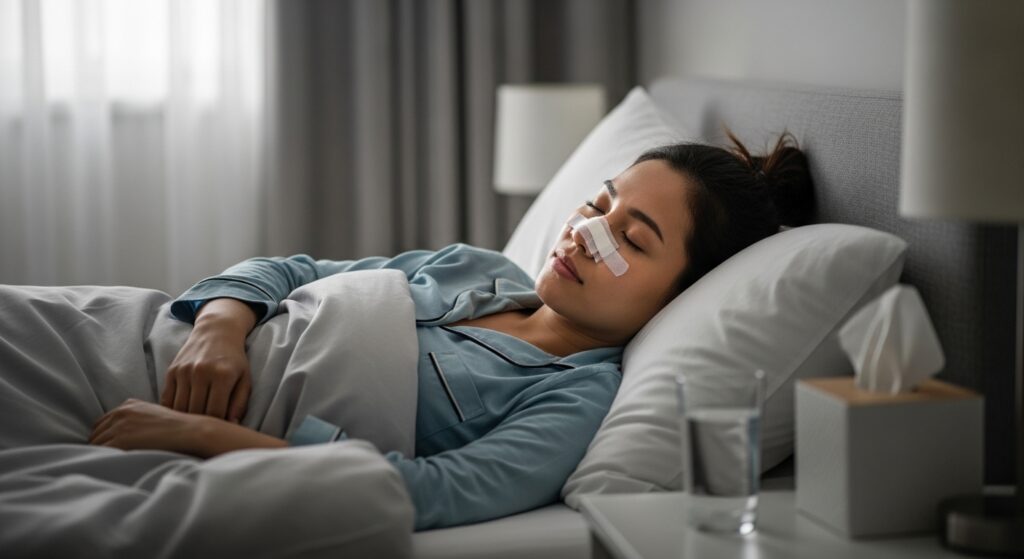
Complete septoplasty recovery guide covering timeline, post-op care, pain management, breathing changes, and return to activities. Learn what to expect each week.

Septoplasty costs in Singapore range from $8,000-$25,000. Learn about pricing factors, subsidies, and payment options for deviated septum surgery.

Learn how to perform a deviated septum self-test at home, identify symptoms, and understand when to consult an ENT specialist in Singapore.

MBBS
MRCS (Edin)
mmed (orl)
FAMS
With over 15 years of experience, Dr Gan specialises in the comprehensive management of a broad range of conditions related to the ear, nose and throat (ENT), and head and neck.
Dr. Gan has contributed to the academic field as a Senior Clinical Lecturer at the Yong Loo Lin School of Medicine, National University of Singapore. He underwent his subspecialty training in Rhinology (Nose & Sinus conditions) and Endoscopic Skull Base Surgery at the renowned St Paul’s Sinus Center, part of the University of British Columbia in Vancouver, Canada. He is recognised for his extensive research work, with numerous contributions to reputable international ENT journals. Dr Gan is also highly sought after as a speaker and has shared his surgical knowledge as a surgical dissection teacher at various prominent ENT conferences and courses.

Got a Question? Fill up the form and we will get back to you shortly.